远山淡影 A Pale View of Hills
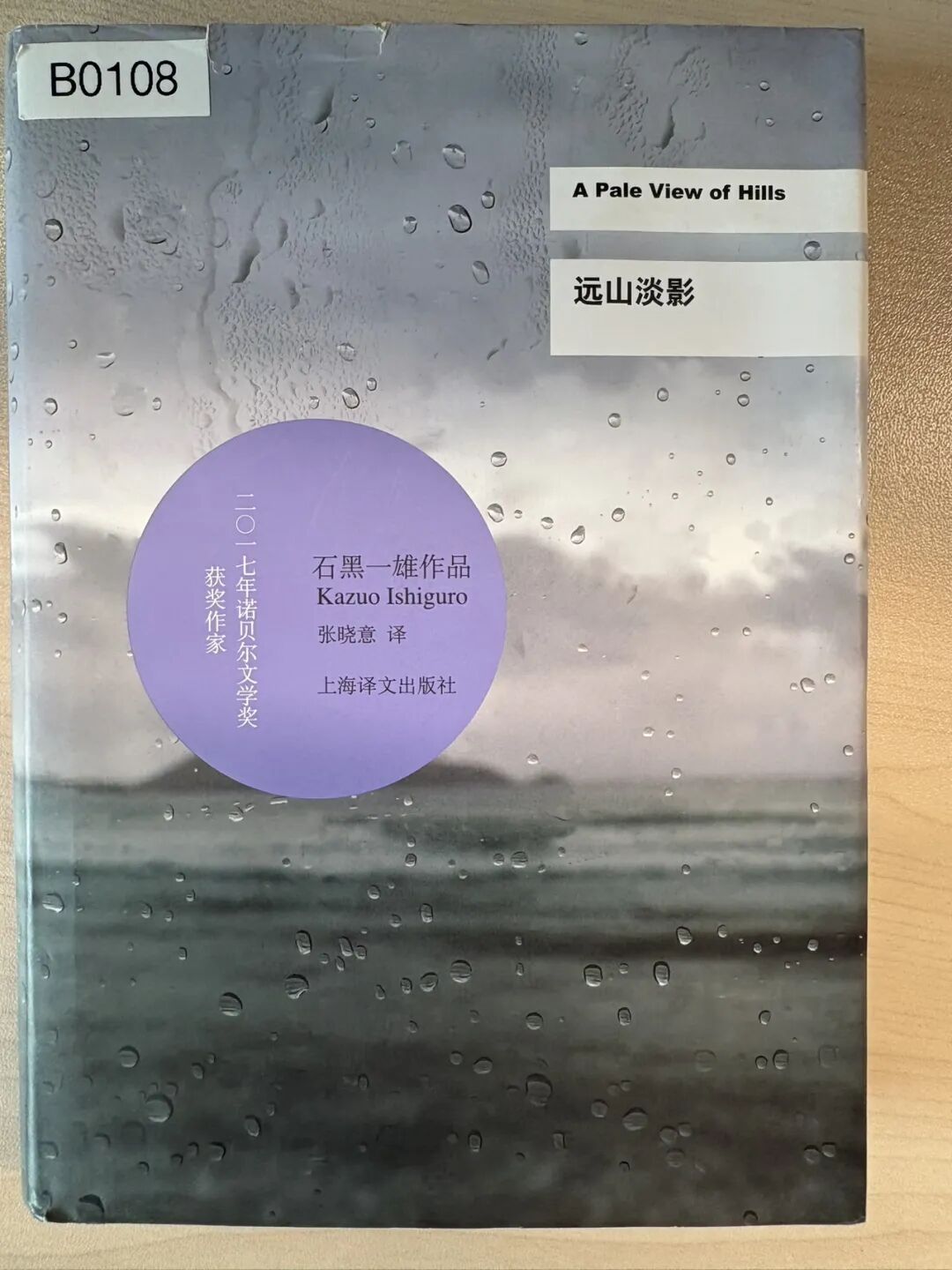
《远山淡影》是石黑一雄的处女作小说,最早出版于1982年。全文没有跌宕起伏的情节,主要讲述了妮基回家探望妈妈悦子,母女共同相处的几天日常生活,以及悦子对往事的回忆。整本书读下来的感觉就跟书名一样,飘飘渺渺淡淡的。
悦子的回忆发生在二战后的长崎,回忆里(偶尔也是梦境中)的细节似乎矛盾重重经不起仔细推敲。从悦子跟女儿妮基断断续续的对话和如梦似幻的回忆中,大致可以拼凑出这样的故事(以下内容涉及剧透)。
主人公悦子是独身生活在英国的日裔移民。跟两任丈夫生了两个女儿。大女儿景子出生在日本,童年时跟妈妈悦子一起来到英国,悦子在英国再婚并且有了小女儿妮基。悦子的两任丈夫都去世了,大女儿景子于几年前自杀。妮基在家的几天里,悦子回忆起多年前在日本的往事,想起她的朋友佐知子和女儿万里子,还有前夫二郎和公公绪方先生。
二战失败后的日本长崎,深受重创的不仅仅是建筑物,还有人心。以绪方先生为代表的传统价值观遭到年轻一代毫不保留的抨击。
悦子,佐知子,万里子,藤原太太作为战争中的幸存者,都在战争中失去至亲,见过太多灾难,体会过流离失所。但是大家对未来的规划却不尽相同:藤原太太安心经营面馆,相信日子都会好起来。回忆里的悦子正怀着孕,丈夫二郎事业蒸蒸日上,日子过得满怀希望。而佐知子一心想离开日本,带着女儿万里子去美国。她坚信“美国更适合女孩子成长”她可以做各种各样的事,可以成为女商人,可以成为艺术家。“日本不适合女孩子成长。在这里她能有什么指望呢?”
读到最后你就会发现,佐知子其实就是悦子,万里子就是景子。悦子在回忆里给自己找了一个代言人。悦子一方面解释“我离开日本的动机是正当的,而且我知道我时刻把景子的利益放在心上。”一会儿又说:“我一开始就知道她在这里不会幸福的。可我还是决定把她带来。”悦子一直在为女儿景子的离世而自责和内疚,一生都在做着激烈的斗争。
文字的力量真神奇。在回忆中,佐知子母女临行离开长崎之前一夜,万里子因为妈妈违背留下小猫的承诺,生气离家出走。悦子代替佐知子去追上万里子。在河边找到万里子之后两人的对话突然从旁观者变成了当事人,阅读的冲击感很强烈,你会相信这对话是真实的发生过的,就是悦子跟童年的景子的真实对话。回忆者自己先破了防。
过了好久,她才开口说道:“我不想走。明天我不想走。”我叹了口气。“你会喜欢的。每个人对新事物总是有点害怕。可你会喜欢那里的。”“我不想走。我不喜欢他。他像头猪。”“你不能这么说话,”我生气地说。我们对视了一会儿,然后她又低头看着她的手。“你不能这么说话。”我说,语气变缓和了,“他很喜欢你,他会像个新爸爸。一切都会变好的,我向你保证。”孩子不做声。我又叹了口气。“不管怎样,”我接着说,“你要是不喜欢那里,我们随时可以回来。”这一次,她抬起头来,怀疑地看着我。“是,我保证,”我说。“你要是不喜欢那里,我们就马上回来。可我们得试试看,看看我们喜不喜欢那里。我相信我们会喜欢的。”
《远山淡影》
石黑一雄没有明确的提到任何历史性的时间或者事件。我查了一下,1945年8月9日,美军在长崎市投下原子弹。长崎市约60%的建筑物被毁,伤亡8.6万人,约占全市总人口的37%。当年9月2日,日本签署投降书,第二次世界大战至此结束。
今年刚好是长崎原子弹爆炸八十周年。唯愿世界和平🙏
AI-generated translation.
A Pale View of Hills is Kazuo Ishiguro’s debut novel, first published in 1982. There are no dramatic plot turns. The story mostly tracks a few quiet days when Niki comes home to visit her mother Etsuko, the small routines of their time together, and Etsuko’s recollections of the past. Read end to end, the book feels exactly like its title: distant, faint, drifting.
Etsuko’s memories belong to Nagasaki just after World War II. The details of those memories—and sometimes dreams—are full of contradictions that don’t quite stand up to scrutiny. From the fragmentary conversations between Etsuko and Niki, and from her dream-like remembering, you can piece together roughly the following story (spoilers ahead).
Etsuko is a Japanese émigré living alone in England. She has had two daughters by two husbands. Her older daughter, Keiko, was born in Japan and came to England with her mother as a child; Etsuko then remarried in England and had her younger daughter Niki. Both of Etsuko’s husbands have died, and Keiko took her own life several years earlier. During the few days Niki is home, Etsuko recalls events from years ago in Japan—her friend Sachiko and Sachiko’s daughter Mariko, her ex-husband Jiro, and her father-in-law, Mr. Ogata.
In post-defeat Nagasaki, it isn’t only the buildings that have been devastated, but people’s inner worlds. The traditional values represented by Mr. Ogata are openly attacked by the younger generation, without restraint.
Etsuko, Sachiko, Mariko, and Mrs. Fujiwara are all survivors of the war. Each has lost people they loved, witnessed too much disaster, lived through displacement. And yet their plans for the future are very different. Mrs. Fujiwara is content to run her noodle shop and believes things will get better. In Etsuko’s memory, she herself is pregnant, her husband Jiro’s career is on the rise, and her days are full of hope. Sachiko, on the other hand, is determined to leave Japan and take her daughter Mariko to America. She is convinced “America is a better place for a girl to grow up.” There, she can do all sorts of things—become a businesswoman, become an artist. “Japan isn’t a good place for a girl. What can she possibly hope for here?”
Read to the end and you’ll realize: Sachiko is Etsuko, and Mariko is Keiko. Etsuko has found a stand-in for herself inside her own memories. On one hand she insists, “My motives for leaving Japan were proper, and I know I had Keiko’s interests at heart all along.” On the other hand she admits: “I knew from the beginning she wouldn’t be happy here. But I still chose to bring her along.” Etsuko has been blaming herself for Keiko’s death her whole life, fighting a brutal internal battle.
The power of language really is extraordinary. In Etsuko’s recollection, on the night before Sachiko and Mariko are to leave Nagasaki, Mariko runs away from home because her mother has broken her promise to keep a kitten. Etsuko goes after Mariko in Sachiko’s place. When she finds Mariko by the river, the conversation suddenly shifts—from outside-looking-in to first-person speaker. The shock of it is immense; you believe this conversation really did happen, that it is the actual exchange between Etsuko and a young Keiko. The narrator herself has stopped pretending.
She was silent a long time before she said: “I don’t want to go. I don’t want to go tomorrow.” I sighed. “You’ll like it. Everyone’s a little afraid of new things. But you’ll like it there.” “I don’t want to go. I don’t like him. He’s like a pig.” “You can’t talk like that,” I said angrily. We looked at each other for a moment, and then she looked down at her hands again. “You can’t talk like that,” I said, more gently. “He’s very fond of you. He’ll be like a new father. Everything will turn out fine, I promise.” The child said nothing. I sighed again. “Anyway,” I went on, “if you don’t like it there, we can always come back.” This time, she looked up and watched me, suspicious. “Yes, I promise,” I said. “If you don’t like it there, we’ll come back at once. But we have to try. We have to see whether we’ll like it. I think we will.”
A Pale View of Hills
Ishiguro never names a single historical date or event. I looked it up: on 9 August 1945, U.S. forces dropped an atomic bomb on the city of Nagasaki. About 60% of the city’s buildings were destroyed; 86,000 people were killed or injured, roughly 37% of the total population. On 2 September of that year, Japan signed the instrument of surrender, ending the Second World War.
This year happens to mark the eightieth anniversary of the atomic bombing of Nagasaki. May the world know peace. 🙏