我与《读库》 Reader and Du Ku
今天是世界读书日,我想讲一讲《读库》和我的故事。
如果你是第一次听说《读库》,请允许我简单的介绍一下:《读库》是一种杂志书(Mook,Magazine和book的结合),每两月出一期,每期5-10篇非虚构文章。从2006年开始到现在已经出版了快二十年了。
《读库》创始人老六说:“坚持做非虚构作品,能让人面临困境时找到精神支柱,更能带来由己及人的同理心。” “一本书要负载的责任,是尽可能多地,记录时代中的个体声音。”
我最早听说《读库》好像是在2013年左右,在一档节目里高晓松说老狼是真文艺,他看书都是看《读库》!我好奇找来读了一下,然后把之前出版的《读库》全部都买来,在书架上摆了满满的两排。说来惭愧,这些书主要用来做家装了,大部分我并没有读过。
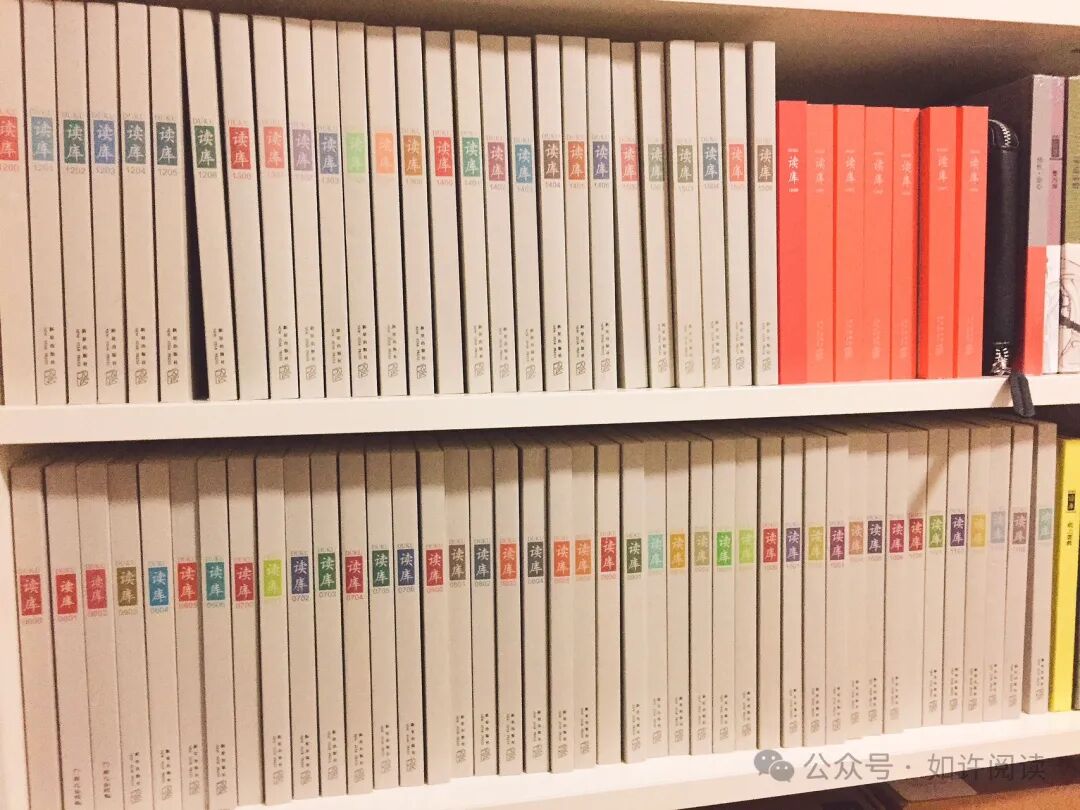
2015年,我决定离开北京去新加坡,处理家当的时候,这两排《读库》舍不得丢舍不得卖也舍不得送人。幸好,人美心善的骁尧姐姐愿意替我保管,直到2017年回国,我才从骁尧姐姐那里把他们接回家。
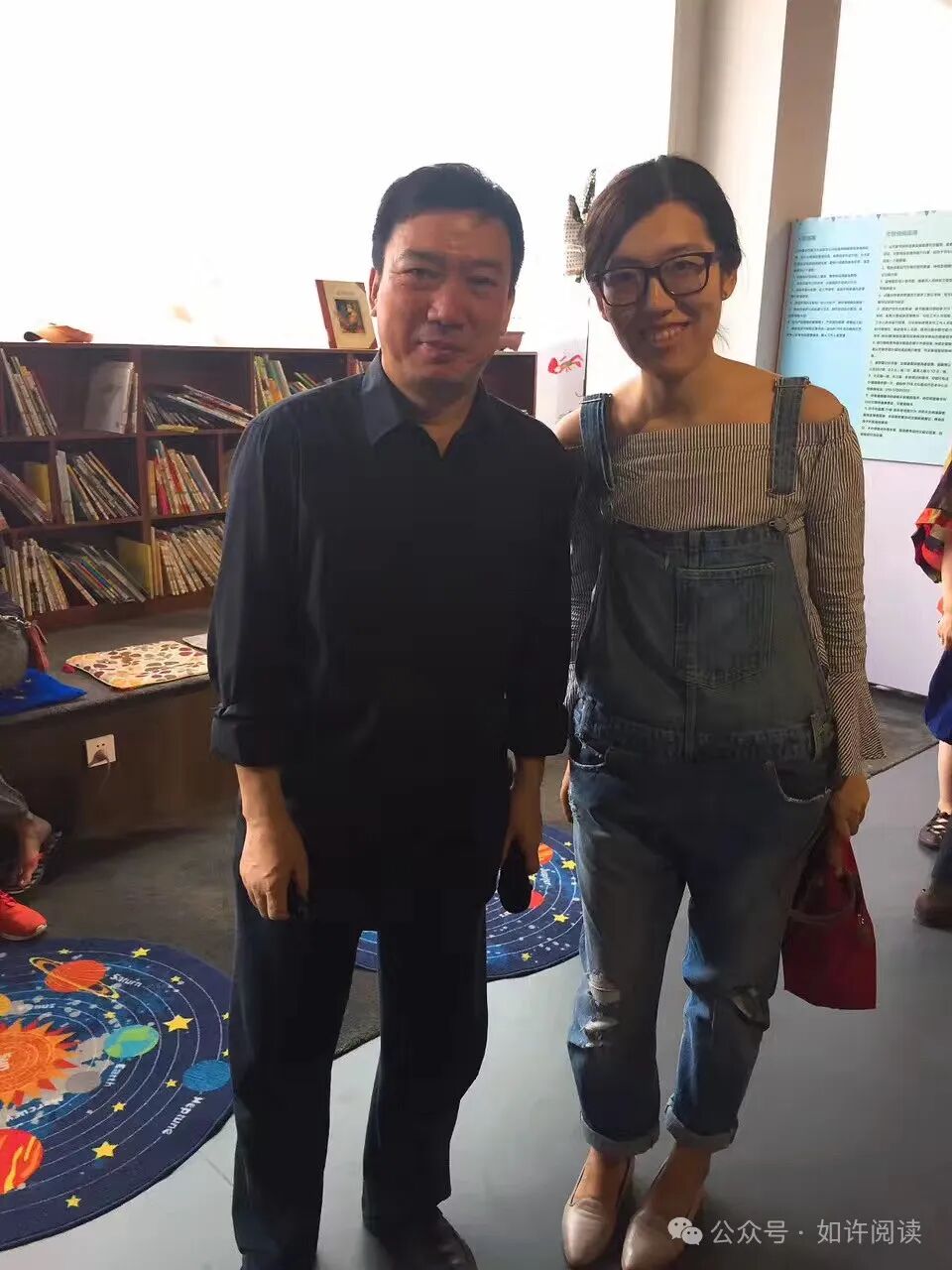
2017年的端午节,我在尤伦斯遇见做活动的老六。我上前求合影加微信,妄想谈合作(啊,年轻时候的自己是有多虎啊)。我说想做点跟书有关的事情,那个时候的读库团队恰好在探索引入技术手段改进内部流程。秋天,我正式回京之后,六哥邀我去太阳宫的读库办公室,跟羊顿老师还有义春同学商量内部流程系统的设计。六哥上来先是劝退,“喜欢读库不如安心做个读者”。果不其然,没过多久,“读库内部流程管理系统”从我这里不了了之了。
自那之后,我开始订阅读库,每隔几个月收到读库的包裹,都会让那一整天(甚者接下来的几天)都很快乐。我反倒开始读书了。
生完妹妹的第二天,飞哥从家给我带了当期的《读库2405》。那个时候我们正准备搬家去深圳。我惊喜的发现,前三篇文章都是讲发生在深圳近二十年间的故事。我躺在医院的床上读得津津有味,享受这奢侈的静谧。
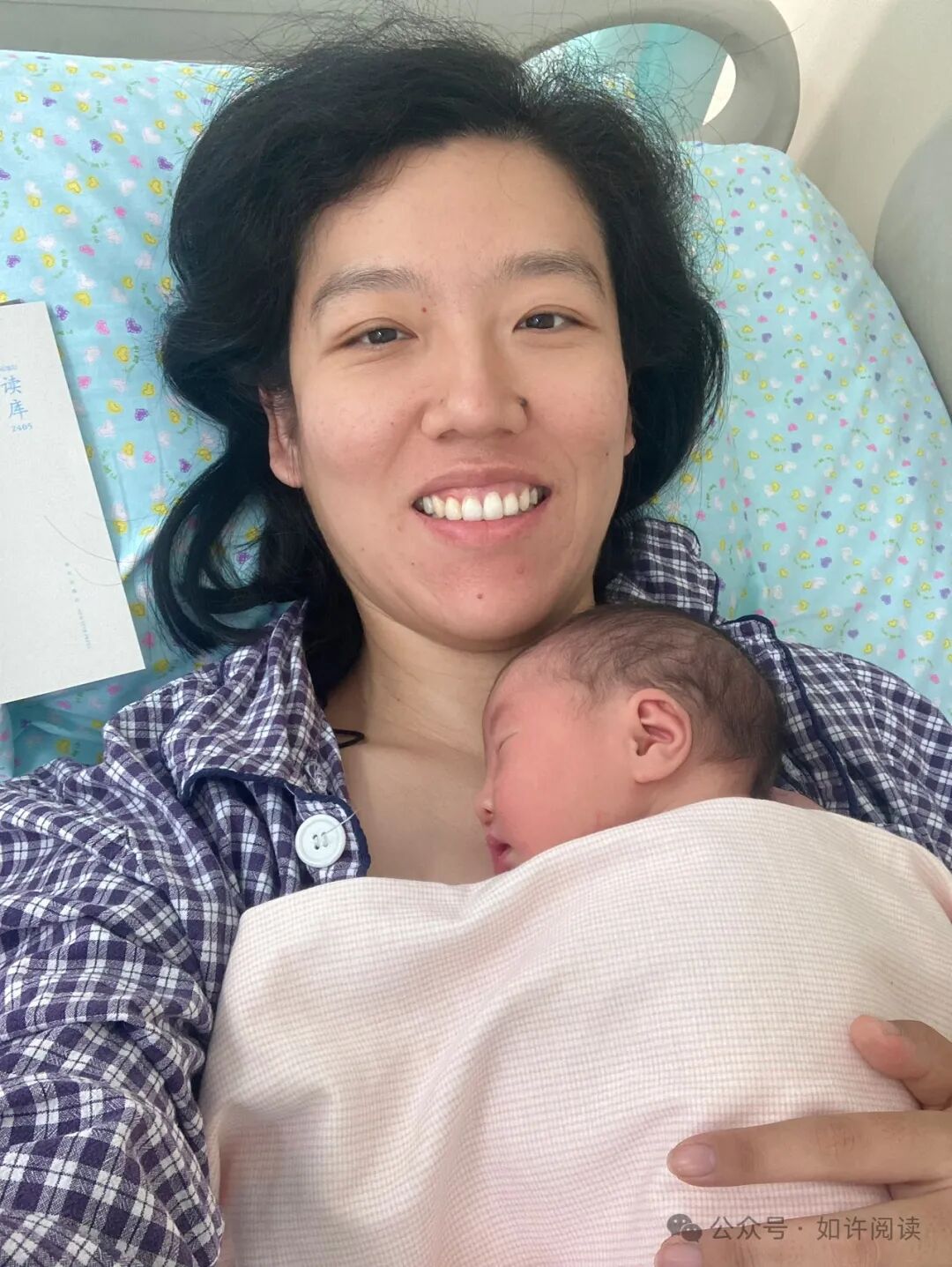
我不知道其他家属探望产妇都是带的什么,反正当护工姐姐看到飞哥拿来一本书,眼睛里都藏不住惊讶。等飞哥走后,她跟我说:“你一定学习很好吧,这么爱看书,刀口都还没好呢。” 我哭笑不得。回想一下,上学的时候我还真没有体会到阅读的乐趣。反倒是近几年越发感觉,阅读的过程本身真是让人身心愉悦呀!阅读之后能把一些所思所想所感用文字表达出来就更加开心了!要是写出来的东西可以得到他人的共鸣那简直就是开心的N次方!🥳
产假期间,我建立起新的作息规律:早上把哥哥送去幼儿园之后,我找个安静的地方看一会儿书,再赶回家带妹妹。上午阅读的这几个小时给我补足了能量,来应付一天里的其他事务。有一段时间,我的书包里同时放着门罗的《最后的秘密》和《读库2502》,一本像悬疑剧,一本像纪录片。两本书同时读,好似麻辣火锅配豆奶,drama的小说看多了需要来点非虚构中和一下。
产假快结束的时候,中美贸易战打地正激烈。身处这个不确定的时代,我们很难不焦虑。《读库2502》里的几个故事让我看到,每一代人都有每一代人的命运。我们的情况还不是最糟糕的,即便是在更糟糕的情况下,也并非没有活路。
《雪芝转正记》里,“雪芝”因为出身成分问题,花了二十六年才从民办教师转成正式教师。一路走来的艰辛可想而知,但是在“雪芝”对往昔的回忆中,怨念不多,温情不少,有她认真教过的听障孩子,也有一路上帮助过她的师长和朋友。
读《“被害”的侵略者》,精神控制对人的影响之大让我震惊。二战期间,“神风特工队”的飞行员们以可以执行自杀式袭击为荣。甚至有妻子为了让丈夫可以了无牵挂的执行必死任务,会提前带着两个孩子投河自尽!讽刺的是,事实上这样的自杀式袭击对美军航母的破坏力极低,完全是自我感动得不偿失。“神风特工队”里也有逃兵,最著名一位一共逃了九次,不仅见证了战争结束,还活到了96岁!“逃兵”通常被认为是胆小懦弱的,但是如果战法本身就是错误的,做战场上的逃兵是不是反而更明智?
世间始终你好
老六曾写过一篇《世间始终你好》,部份摘录如下:
“
《神雕侠侣》中,武敬儒、武修文为了大小姐郭芙兄弟阋墙,郭芙也对这哥俩难以取舍——
郭芙望著武敬儒的背影,见他在假山之后走远,竟是一次也没回头,心想:“不论是大武还是小武,世间倘若只有一人,岂不是好?”深深叹了口气,独自回房。
杨过待她走远,笑问:“倘若你是她,便嫁哪一个?”小龙女侧头想了一阵,道:“嫁你。”杨过笑道:“我不算。郭姑娘半点也不欢喜我。我说倘若你是她,二武兄弟之中你嫁哪一个?”小龙女“嗯”了一声,心中拿二武来相互比较,终于又道:“我还是嫁你。”杨过又是好笑,又是感激,伸臂将她搂在怀里。
杨过对小龙女提出假设的问题,可龙姑娘不管不顾,心中无他。这一风光旖旎的情爱桥段,也是最美好的人生状态:实在想不到、也找不到比眼下更好的状态了。
昨天在杭州的活动现场,有读者抛出类似杨过的问题,而我毫不犹豫地回答,则是与那问题中的选择无关的“继续编书出书”。
”
“如果你可以为所欲为,那你会选择做什么?”我也在不断的问自己这个问题。八年前,我最想做的事情是做妈妈,其次是想做跟书相关的事情。现在,这个愿望还是没有变。在这个动荡的割裂的时代里,我希望逆流而上,用纸质书连接真实世界里的人。
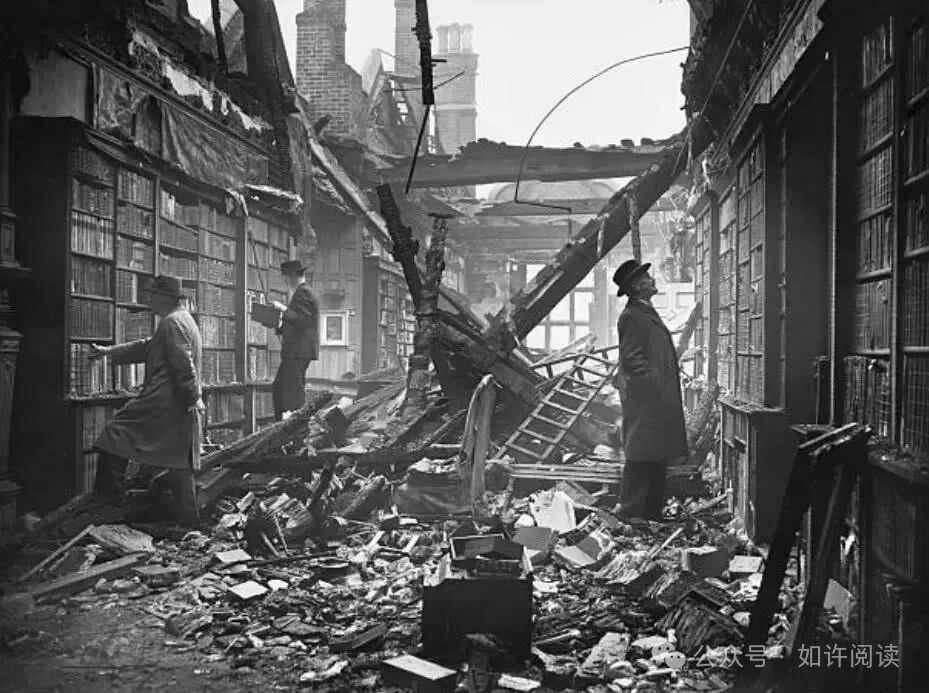
曾经看到的过这张照片让我印象深刻,背景是被狂轰滥炸后的一座图书馆,三位头戴礼貌的男子,在废墟里阅读,神色坦然。越是艰难的时代,人们对和平、对理性的追求就越是强烈。同样的,越是在狂魔乱舞的时代,人们对文明的向往就越是不可阻挡。
老六在《读库2502》主编写给读者的一封信里讲到“在达利欧看来,未来的成败取决于人类如何相处,而他强调的,是“社区”的重要性。当财富和权力在满足基本需求后,便开始与幸福感无显著相关,而社区和人际关系,才是幸福的最大决定因素,而非物质财富。”
我梦想着有一天可以建立一个栖身之所,被书环绕。周围的男女老少可以来这里阅读、喝茶、聊天。我希望她可以变成街道的一部分,每个人的城市地图的一部分,最终不可避免地成大家记忆的一部分。一处避世的地方,一个存在的理由。
AI-generated translation.
Today is World Book Day. I want to share the story of Du Ku and me.
If this is the first time you’ve heard of Du Ku: it’s a mook (magazine + book), published every two months, with 5–10 non-fiction pieces per issue. It started in 2006 and has been running for almost twenty years.
Lao Liu, Du Ku’s founder, says: “Sticking with non-fiction lets people find a pillar of spirit when they face hard times, and brings out empathy that radiates from one’s own self outward.” “The responsibility a book carries is, as much as possible, to record the individual voices of a time.”
The first time I heard of Du Ku was around 2013. On a TV show, Gao Xiaosong said Lao Lang was the real literary type — he reads Du Ku! I went looking out of curiosity, and then bought up every back issue I could find, filling two full rows on my bookshelf. To my embarrassment, those books mostly served as interior decoration. I hadn’t actually read most of them.
In 2015, when I decided to leave Beijing for Singapore, sorting through my belongings, I couldn’t bear to throw out, sell or give away those two rows of Du Ku. Fortunately the lovely, kind Xiao Yao said she’d keep them for me. Only after I came back to China in 2017 did I retrieve them from her place.
At the Dragon Boat Festival in 2017, I bumped into Lao Liu at an event at UCCA. I went up to ask for a photo and his WeChat, harbouring grand notions of “a possible collaboration” (ah, how cocky a young me could be). I said I wanted to do something book-related; the Du Ku team at that time happened to be exploring how to use technology to improve their internal workflows. After I officially moved back to Beijing in autumn, Liu invited me to the Du Ku office at Taiyanggong to discuss the design of an internal workflow system with Mr. Yang Dun and his colleague Yi Chun. Liu opened the meeting by trying to gently talk me out of it: “If you love Du Ku, you should just settle in as a reader.” Sure enough, not long after, the “Du Ku internal workflow management system” quietly fizzled out on my end.
After that, I started subscribing to Du Ku. Every few months, when the Du Ku package arrived, that whole day (and often the following days) became unusually happy. And I, paradoxically, actually started reading.
The day after my daughter was born, Fei brought me the current issue, Du Ku 2405, from home. We were preparing to move to Shenzhen at the time, and I discovered, to my delight, that the first three pieces were all about things that had happened in Shenzhen over the past twenty years. I lay in my hospital bed reading happily, savouring that luxurious quiet.
I don’t know what other family members bring when they visit new mothers, but when our nurse aide saw Fei pull a book out of his bag, she couldn’t hide the surprise in her eyes. After he left, she said to me: “You must have been a really good student — you love reading so much, and the incision hasn’t even healed.” I laughed and cried at the same time. Looking back, I honestly didn’t experience the joy of reading when I was a student. It’s only in the past few years that I’ve come to feel, more and more, that the act of reading itself is a kind of bodily and mental joy. And being able to put my thoughts and feelings into words after reading is even more joyful. And if what I write happens to resonate with someone else — that’s joy to the Nth power. 🥳
During maternity leave I built a new routine: after I drop my son off at kindergarten in the morning, I find somewhere quiet to read for a while, then rush back to take care of my daughter. Those few hours of morning reading refill me with enough energy to cope with the rest of the day. For a stretch, my bag held both Munro’s Too Much Happiness and Du Ku 2502 at the same time — one like a suspense series, the other like a documentary. Reading them in tandem was like a numbing-spicy hotpot served with soy milk; after too much dramatic fiction you need some non-fiction to take the edge off.
By the end of my maternity leave the US–China trade war was raging. In a time as uncertain as this, it’s hard not to be anxious. A few stories in Du Ku 2502 showed me that every generation has its own fate. Our situation is not even the worst, and even in worse situations there have always been ways to keep living.
In “Xuezhi’s Path to Tenure,” Xuezhi, because of her family background, spent twenty-six years getting from being a “people-run-school” teacher to an official tenured teacher. You can imagine the hardships along the way. And yet in her recollection there’s not much resentment, and quite a lot of tenderness — the hearing-impaired children she taught with care, the teachers and friends who helped her along the way.
In “The ‘Victim’ Invaders” I was shocked at how powerfully mind control can shape people. During WWII, kamikaze pilots took pride in being able to carry out suicide attacks. There were even wives who, in order to free their husbands of all earthly ties before their final mission, drowned themselves and their two children ahead of time! Ironically, those suicide attacks did very little damage to U.S. aircraft carriers in practice; the whole thing was a tragic exercise in self-moved sacrifice. There were also deserters in the kamikaze ranks. The most famous one deserted nine times in total, witnessed the end of the war, and lived to 96. “Deserter” is usually code for cowardly and weak — but if the tactic itself is wrong, isn’t being a deserter on that battlefield actually the wiser choice?
You, always, in this world
Lao Liu once wrote an essay called “You, always, in this world,” excerpted in part below:
In The Return of the Condor Heroes, the brothers Wu Jingru and Wu Xiuwen are at each other’s throats over Miss Guo Fu, and Guo Fu herself can’t decide between the two of them —
Guo Fu watched Wu Jingru’s back as he disappeared behind the rockery — not once did he turn around. She thought: “Whether it’s the elder Wu or the younger, if there were only one of them in this world, wouldn’t that be perfect?” She sighed deeply and went back to her room alone.
Yang Guo, after she had gone, smiled and asked, “If you were her, which one would you marry?” Xiaolongnü tilted her head and thought for a moment, then said, “I would marry you.” Yang Guo laughed: “I don’t count. Miss Guo doesn’t like me at all. I mean: if you were her, between the two Wu brothers, which one would you marry?” Xiaolongnü gave a soft “hm,” compared them in her mind, and finally said: “I’d still marry you.” Yang Guo was both amused and grateful, and pulled her into his arms.
Yang Guo asked Xiaolongnü a hypothetical question, but the lady had no second thoughts. That moment of tender intimacy is also the most beautiful state a life can be in: I genuinely cannot imagine, or find, a state better than this one.
At yesterday’s event in Hangzhou, a reader posed a question like Yang Guo’s, and I answered without hesitation — and my answer had nothing to do with the choices in the question. It was “keep editing books, keep publishing them.”
“If you could do whatever you wanted, what would you choose to do?” I keep asking myself that. Eight years ago, the thing I most wanted to do was be a mother; after that, do something with books. Now, that wish hasn’t really changed. In this turbulent, fractured era, I want to swim against the current, using paper books to connect real people in the real world.
I once saw this photograph and it stayed with me — a library, bombed to ruins, and three men in formal hats reading calmly in the rubble. The harder the era, the stronger people’s pursuit of peace and reason. The same goes for civilization: the more demonic the era, the more unstoppable people’s longing for civilization.
In his editor’s letter to readers in Du Ku 2502, Lao Liu writes: “In Dalio’s view, the future depends on how human beings get along, and what he emphasizes is the importance of community. Once wealth and power have met basic needs, they no longer correlate significantly with happiness — and the biggest determinants of happiness are community and human relationships, not material wealth.”
I dream that one day I can build a place to dwell, surrounded by books — where men, women, the young and the old around me can come to read, to drink tea, to talk. I want it to become part of the street, part of each person’s mental map of the city, and ultimately, inevitably, part of everyone’s memory. A place to step out of the world for a while. A reason to exist.