【书摘】幸得诸君慰平生 [Book Notes] Lucky to Have You All to Comfort My Life
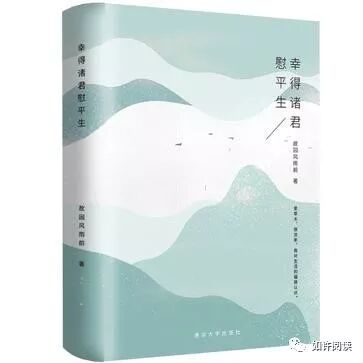
和惠平共事的乐事之一是常常会收到意外之喜,比如这本《幸得诸君慰平生》,作者署名“故园风雨前“。没开封前,单看书名和署名猜想大约是像安意如‘赌书泼茶’、白落梅‘安好晴天’之类的复古闺怨风。结果完全不是一码事儿,这本儿书里满是对尘世的“妇人之见”——一个感官特别旺盛,注意力特别琐碎,文笔特别精准又自带强烈喜感的女主人,隔着纸都能感受到她的热气腾腾,被她冷不丁的调侃和脑洞大开的比喻逗得哈哈哈哈哈。
她讲她的芳邻,“早上在巷里碰见的那个女人,尽管她超过六十五,但我就是没法叫她老太太,因为很微妙,她白发新烫,她嘴上有红,她牵孙女的手,指甲上嵌钻,孙女耍赖要抠,她娇斥连连。我上次见她是二十年前,那时她四季穿旗袍,天天进舞厅,她丈夫很知趣,早早地去世了。”
她讲姨妈给姨父做衣服,“衣服的好坏我不评价,因为我是很爱我姨妈的。我只记得当时姨父穿起来的样子,上半身像套在一个竖着的牛皮纸信封里,并且失去了脖子。但那不是衣服,那是爱情啊。不然他怎么肯穿……他愿意穿她做的一切。她看画报上有夹克,就给他做夹克,她同事从上海带回来的衬衣,她拿回来做样子,电影里男主角打的领带,她也照着买相像的碎料子裁一条。她全力以赴地打扮他,他也就乖乖地花团锦簇了好多年,直到她腰不舒服,踩不了缝纫机了。”
她讲独身的丹叔叔经历时代的荒诞,“我们在他身上发现的种种呆气,滑稽,不合时宜,大概都是一种创伤的反应,他永远没法跟这个世界讲和,因为他跟叶文洁是一边儿的。他只是选择不像她那样做,他努力,或者说努力看起来像是,宽恕了这个世界。”丹叔叔买菜偏爱芹菜,“看着他一根一根挑选芹菜的专注,和极其克制也克制不住的狂热,我真心希望芹菜能为其精诚所感,转世成人来嫁给他。”
她讲接孩子放学,“他前我后,差十个身长。我盯着他背影,越盯越气。他这条裤子大,早上千叮咛万嘱咐让他自己把裤腰常提着点,看来白说了。现在书包把他的外套往上搓,裤兜里的什么破玩意儿又把裤子往下坠,他中段儿光着。‘提裤子!’我怒喝一声。不料一下子前面的三四个人回头,面带惊恐,发现是个不相干的女人,懊恼地又转回去。但……其中一个老头,一个小伙子,手都在裤腰上溜了一下——他们生命里多半也有一个暴躁地爱他们的女人吧。”
她讲北京冬天里人们赶路来赴大伯家宴,“冬天草木枯残平添幽凉,到晚上更有凄厉之感。这条路既长,又因为一路上只见那些楼群终年锁住的后门,所以人烟也稀少。冬夜,穿堂风像冰海巨浪一般,令人平白无故就想呜呜的哭。所以每个客人进门时都活像卖火柴的小女孩一样身世悲苦。而一盘热汤下去,每个小火柴都获得了团圆喜乐的结局。”
最令人惊艳的是她讲食物,“牛肉番茄洋葱在一起,是老天爷指定的,是它们三个的命。牛肉的脂香奶香藏在纤维里,一咬就炸,有点疯狂,欲望猛地就被强烈地满足,瞬间就把人掀翻。但你死不了,番茄的甜酸和洋葱的微辛会唤你回来,那种抚慰式的刺激是和你最亲的女人的泼辣,她疼你。”
她讲小饭馆里的回锅肉肉片“扩容”之后比一般的要大出许多,能正好盖住一个7plus。“这一点改变,使传统回锅肉对味蕾的挑逗,变成对味蕾的冲击,因为7plus进嘴以后立刻填满了口腔,豆瓣的红油,本身的肉油,带着青蒜苗的汁液,裹着肉汁完全充塞占据了口腔里的每一个角落,不需要细品,不是肉属于你,而是你属于肉,需要控制着油汁漫上鼻腔,需要忍住喜极而泣的泪。跨领域打个比方,吃这个回锅肉会不自主地跟着狂热,像被喜欢的人赶进墙角壁咚。而传统回锅肉相比谦虚地多,口腔里留了余地,放弃了边边角角的地方,使你非常从容,使你不至于鼓眼爆嘴地失态。但我愿意失态。”
多么生机勃勃,满面红光呀!
王开岭序言里大赞“妇人”,“她们懂人、知世、勤勉,人生的条纹肌理,她们了然于心,对尘世有着无限地忠诚和热情,动力十足,精耕细作,小日子过得盈盈满满、蓬蓬勃勃。现代人的问题是:仕女太多,妇人太少。女人们光去忙封面上的事了。”
而惠平就是这样一股时代清流。尽管肤白眼大睫毛长,声音甜似志玲姐姐,但仕女面容难掩妇人潜力。“总以饥饿的目光注视着生活”,对菜市场和生活小窍门有着超越年龄的热情和熟悉。安吉拉和我常觉得她年轻的身体里住着一个老年人,看到《重返二十岁》里的挂篮子逛菜市的杨子姗我俩惊呼这不就是惠平本人嘛!
有天聊起“如果我的朋友都变成了包子”,惠平说风风火火的安吉拉是“榴莲包”,不喜欢的人避之不及,喜爱的人又爱不释口。徐木木是“三丁包”,肉丁笋丁香菇丁,乍一咬有笋有肉,以为是个刚强的包子,仔细一吃,还有柔软的香菇。她自己是“糖三角”,肚子里有白糖花生和芝麻,她怕冷不怕热,糖三角冷了特别不好吃。嘟嘟的Luffy先是跳出来说自己是“肉包子”,后来又纠结是“小笼包”还是“大肉包”……一群人一本正经的胡说八道,哈哈乐过之后又觉得温暖,幸得诸君慰平生。
PS: 书外封底印着“以为活着是为了收悉美。某公笑叹,什么是美?即‘不知生活艰辛’。我点头,但转头还得给他补半句,‘或佯作不知生活艰辛’。本书就是这么个情况。” 二十九岁之后常感慨生活不易,不光是自己那一亩三分地儿,看周围每个人也是各有各的苦,泥沙俱下,如影随形。生活既已如此不如就多些“妇人之见“,关注细微琐碎,佯作不知其艰辛。
PPS: 本书(2017年12月第3次印刷版)最大槽点是印刷用纸太白还反光,像加多了漂白剂的白面馒头,要是换成微微泛黄的轻型纸或者纯质纸阅读体验应该会更好吧。
AI-generated translation.
One of the pleasures of working with Huiping is constantly receiving little surprises — like this book Lucky to Have You All to Comfort My Life, by the pen-named author “Guyuan Fengyu Qian” (Wind-and-rain Before the Old Garden). Before I opened the package, looking only at the title and the author’s name, I guessed it would be one of those retro boudoir-grievance pieces in the style of An Yiru or Bai Luomei. Turned out to be nothing of the sort. The book is full of “womanish remarks” about the everyday world — written by a hostess with wildly alive senses, a deliciously scattered attention, prose so precise it draws blood, and a built-in sense of comic timing. You can feel the heat coming off her through the page, and you laugh out loud at her offhand quips and her wild-imagined metaphors.
She writes about her elegant neighbour: “The woman I bumped into in the lane that morning — even though she’s well past sixty-five, I just can’t bring myself to call her old auntie, because, very subtly: her white hair is freshly permed, she has red on her lips, she’s holding her granddaughter’s hand, and her fingernails are studded with little stones. The granddaughter is acting up and trying to pry one off, and Granny is scolding her in that affected, doting way. The last time I saw her was twenty years ago — back then she wore qipaos year-round, went dancing every day. Her husband, very tactfully, died early.”
She writes about her aunt making clothes for her uncle: “I won’t pass judgement on the clothes themselves, because I love my aunt very much. I only remember how my uncle looked once he had them on — the upper half of him sheathed in a vertical kraft envelope, neck gone missing. But that wasn’t a piece of clothing — that was love. Why else would he wear it… He would wear anything she made for him. She saw a jacket in a magazine, she made him a jacket. Her colleague brought back a shirt from Shanghai; she took it home as a pattern. A leading man in a film wore a tie a certain way; she’d buy a similar scrap of fabric and cut him one to match. She put her whole self into dressing him up, and he meekly went about flowery-resplendent for years — until her lower back gave out and she could no longer work the sewing machine.”
She writes about her single Uncle Dan, living through the absurdity of his era: “All the various forms of awkwardness, comedy and being-out-of-step we saw in him were probably a trauma response. He could never quite make peace with this world, because he was on the same side as Ye Wenjie. He just chose not to act on it the way she did. He tried, or at least tried to look like he had, to forgive this world.” Uncle Dan, when buying vegetables, loved celery in particular. “Watching him pick through celery stalk by stalk, with such concentration and such barely-suppressed fervour, I sincerely hoped the celery might be moved by his sincerity, be reborn as a person, and marry him.”
She writes about picking her child up from school: “He’s in front, I’m behind, ten body-lengths apart. I stare at his back, and the longer I stare the angrier I get. These trousers are too big for him. I told him a hundred times this morning to keep hitching the waistband up. Apparently I was talking to a wall. Now his backpack is rucking his jacket upward, and god knows what scrap of junk in his pocket is pulling the trousers down, and his middle is bare. ‘PULL UP YOUR PANTS!’ I roar. To my astonishment three or four people in front of him whip around in alarm, see that it’s just some unrelated woman, and dejectedly turn back. But — among them an old man and a young guy both slid a hand to their own waistbands — I’d bet there’s a hot-tempered woman who loves them in their lives too.”
She writes about people braving the Beijing winter to make it to Uncle’s family dinner: “In winter, the bare-stripped vegetation adds a stark, ghostly chill, and at night it tips toward eerie. The road is long, and you only see the perpetually-locked back doors of the apartment blocks lining it, so there are almost no people. On a winter night the crosswind is like an icy ocean swell, makes you want to weep aloud for no reason at all. So every guest arrives at the door looking exactly like the Little Match Girl, tragic past and all. And one bowl of hot soup later, every Little Match has been awarded a happy, family-reunion ending.”
Most dazzling of all is when she writes about food. “Beef, tomato, and onion together — heaven assigned this combination. It’s their fate, the three of them. The fatty milk-fragrance of the beef is hidden in the fibres; one bite and it bursts open, slightly unhinged, your appetite suddenly and violently satisfied — it flips you over in an instant. But you don’t die from it: the sweetness and acidity of the tomato and the faint pungency of the onion call you back. That kind of soothing-yet-edged stimulus is the spice of the woman who loves you most — she’s sharp because she cares.”
She writes about how, at a little restaurant, the slices in the huiguo rou (twice-cooked pork) have been “scaled up” until they’re much larger than usual, easily covering a 7 Plus phone. “This single change turns the traditional flirtation between huiguo rou and the taste buds into an outright assault on the taste buds. Once a 7-Plus-sized slice goes into your mouth it instantly fills the entire oral cavity; the chilli-bean red oil, the meat’s own fat, the green-garlic juice, all wrapping the meat juice and occupying every corner of your mouth. There’s no need for careful tasting. It’s not that the meat belongs to you — it’s that you belong to the meat. You have to control the oil from creeping up into your nasal cavity, and hold back tears of overwhelmed joy. To make a cross-domain analogy: eating this huiguo rou makes you involuntarily go full fervent — like being pinned to a wall by someone you have a crush on. Traditional huiguo rou is, by comparison, much more modest, leaves space in the mouth, gives up the corners, lets you keep your composure, lets you not lose your dignity. But I would happily lose my dignity.”
How alive! How flush in the cheeks!
In his preface, Wang Kailing sings the praises of “the womanish woman”: “They understand people, they understand the world, they’re diligent; the grain and texture of life — they know it intimately. They show endless loyalty and warmth to the everyday world, full of energy, working it with care, and their small days come out full and abundant and thriving. The trouble with modern people is: too many fine ladies, not enough women. The women only seem to be busy with what goes on the cover.”
And Huiping is exactly that kind of clear stream in our age. Yes, she has fair skin, large eyes, long lashes and a voice as sweet as Lin Chi-ling’s, but the fine-lady face cannot hide the womanish potential underneath. She “always watches life with the eyes of a hungry person,” and has an enthusiasm for wet markets and household life hacks well beyond her years. Angela and I often feel there’s an old soul living inside her young body. When we watched 20 Once Again and saw Yang Zishan strolling around the wet market with a basket on her arm, we both screamed: that’s just Huiping!
One day the topic came up: “What if my friends all turned into baozi?” Huiping said the fiery Angela was a “durian baozi” — anyone who doesn’t like her runs the other way, anyone who does can’t stop reaching for her. Mumu Xu was a “three-diced baozi” — meat, bamboo shoots and shiitake — at first bite you taste bamboo and meat and you think it’s a tough, strong-willed baozi; chew a bit more and there’s soft shiitake hiding in there. She herself was a “sugar triangle” — white sugar, peanut, and sesame in the belly, easily chilled but indifferent to heat, because a cold sugar triangle is no good at all. Duo Duo’s Luffy first jumped in saying he was a “meat baozi”, then started agonizing over whether he was a “xiaolongbao” or a “big meat bao”… A bunch of us, very seriously, talking complete nonsense — and after laughing ourselves silly, it left a warmth behind. Lucky to have you all to comfort my life.
PS: On the back cover the book says: “I thought living was for harvesting beauty. Someone laughed and asked, what is beauty? It is ‘not knowing the hardship of life.’ I nodded — but then turned and added half a line for him: ‘Or pretending not to know the hardship of life.’ This book is exactly that kind of thing.” After turning twenty-nine I often feel life isn’t easy — not just my own little square of land, but everyone around me, each with their own grief, sands and gravel all rushing down at once. Since life is already like this, I might as well lean a little more into “womanish remarks,” pay attention to the fine and trivial, and pretend not to know how hard it is.
PPS: The biggest gripe about this edition (3rd printing, December 2017) is that the paper is too white and reflective, like a steamed bun with too much bleach in it. Switching to slightly-yellowing light paper or pure-pulp paper would make the reading experience much better.