浮世画家 An Artist of the Floating World
在《浮世画家》中,石黑一雄以战败后的日本为背景,描绘了一位退休画家的内心世界与时代变迁之间的张力。这是一部关于记忆、责任与自我认知的小说,也是一场对艺术与道德的深刻反思。
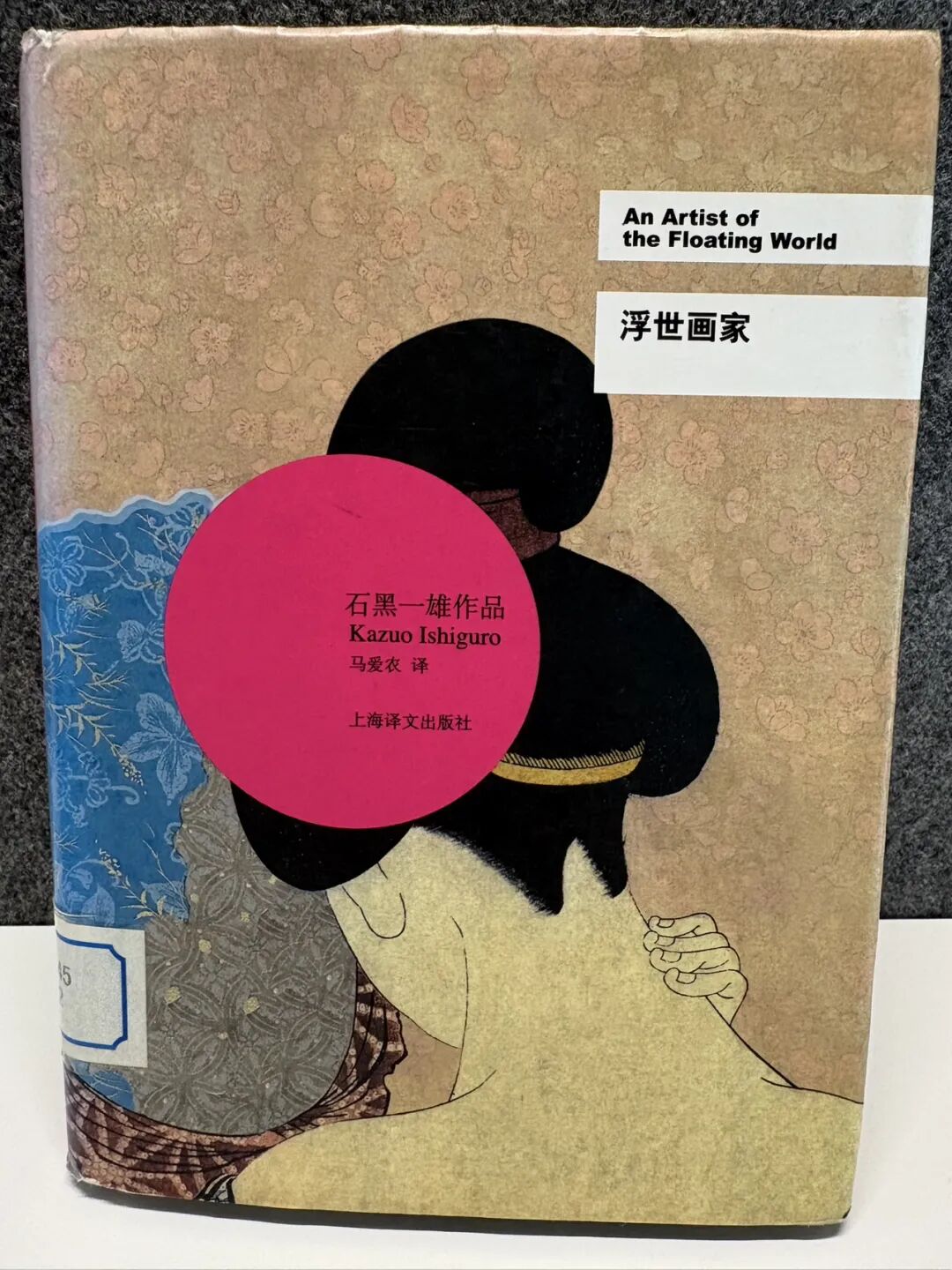
战后的日本百废待兴,新思潮如潮水般冲击着社会的每一个角落。小野先生的退休生活看似闲云野鹤,实则波澜暗涌。他曾是战前颇负盛名的画家,从不刻意追逐名利,对自己的社会地位也未曾有过清晰的认知。他的声望建立在一种近乎无意识的坚持之上——做好认为正确的事,名利自然随之而来。
小说开篇便以一场“信誉拍卖”揭示了他的社会地位:他购得一栋豪宅,交易的关键不是金钱,而是人格与成就的认可。这种近乎仪式性的交易,仿佛一场社会的隐秘评判——在那个时代,道德与贡献远比财富更具分量。他的声望也在生活中不断被印证:为弟子找工作牵线搭桥,助力小酒馆开张并走向繁荣。
他始终坚信:“当一个人辛勤工作,不为名利所动,只是为了发挥自己的聪明才智时,名利终将悄然来访。”这是他的人生信条,也是他自我叙述的核心。
然而,随着日本战败,社会价值体系发生剧烈转向。曾经的荣耀变成了负累,二女儿被退婚,小野先生隐约意识到,这或许是自己过去的影响所致。那些曾被视为成就的事迹,如今却成了被质疑的污点。许多有声望的人因此引咎自尽,而曾经的弟子也为了谋得公职,请求小野先生证明自己曾反对过他的观点——一种令人唏嘘的角色反转。
为了给女儿的婚事营造良好的社会关系,小野先生重新拜访旧友田中先生与昔日得意门生黑田。在这段旅程中,他不断回望过去,逐渐拼凑出一个关于成长与信念的完整故事。
这是一个少年的成长史:如何违背父亲的意愿,激发内心斗志;如何追随第一任老师实现自立,又如何转投第二任老师,追求更纯粹的艺术理想;最终,他脱离所有师承,投身于时代赋予的使命。
也是一个艺术家的自我剖析:从敬重老师,到试图挑战、超越,再到被弟子挑战,直至因举报得意门生而彻底决裂。
艺术与权力、理想与现实,在这些关系中交织成复杂的张力。
小野先生的心理世界,是这部小说最耐人寻味的部分。他表面上是一个温和、谦逊的长者,内心却充满了矛盾与挣扎。他坚信自己并非追名逐利之人,但随着时代的变迁,他开始怀疑自己曾经的选择是否真的无愧于心。他的回忆并非单纯的怀旧,而是一种自我审判——他在不断地为自己的过去寻找合理性,也在试图理解自己在历史洪流中的角色。
他对女儿被退婚的愧疚、对弟子请求“政治证明”的震惊,以及在重访旧友时的复杂情绪,都揭示了一个深层的心理主题:当一个人曾被时代推上高位,是否也必须为时代的错误承担责任?
他的沉默,有时是自我保护,有时是无力辩解。他的回忆之旅,既是对往昔的缅怀,也是对自我认知的重塑。他开始意识到,所谓“正确的事”,并非总是无害的;而“名利的副产品”,也可能在历史的审判中变成原罪。
这种心理的复杂性,使小野先生不再只是一个“浮世画家”,而是一个在时代裂缝中寻找自我救赎的灵魂。
《浮世画家》是石黑一雄的第二部小说,延续了他对战争的深刻反思。其中依然可见他标志性的元素:回忆、时空跳转、大段的内心独白。与处女作《远山淡影》相比,这部作品更为丰富,对人性与心理的描写也更具普适性。其中对光影的描写,几乎可以直接搬上舞台,灯光师只需照着文字打光就可以了。
石黑一雄在2016年的自序中坦言:
“这部小说以二战前后的日本为背景,但很大程度上是根据我当时身处的英国而创作的……我有一种挥之不去的感觉:想要超越受时代局限的教条主义狂热实在太难了;我还有一种恐惧,生怕时代和历史会证明一个人所支持的是一项错误、可耻,甚至邪恶的事业,尽管他怀有良好的心愿,却为此白白浪费。”
在小野先生的沉默与回忆之间,我们读到的不只是一个画家的自述,更是一段时代的回响。他的信念、悔意与挣扎,如同浮世绘中的墨线与留白,交织出一幅复杂的人性图景。石黑一雄用温柔而冷峻的笔触,描绘了一个人在历史洪流中如何试图守住自我,又如何在悄然间被时代改写。《浮世画家》不是对过去的控诉,而是一种深沉的凝视——凝视那些我们曾以为正确的事,以及它们在时间中留下的痕迹。
AI-generated translation.
In An Artist of the Floating World, Kazuo Ishiguro sets a retired painter’s inner world against the backdrop of post-defeat Japan, and traces the tension between him and the shifting times. It’s a novel about memory, responsibility and self-recognition — and a deep meditation on art and morality.
Post-war Japan is in ruins, and new currents of thought wash through every corner of society. Mr. Ono’s retirement looks like the leisure of a man at ease, but underneath there are quiet undertows. Before the war he was a well-known painter; he never chased fame and money, and never had a clear sense of his own social standing. His reputation was built on something close to unconscious commitment — do what you believe is right, and reputation and standing will follow on their own.
The novel opens with a “reputation auction” that reveals his social position: he is buying a mansion, and the deciding factor isn’t money but recognition of his character and achievements. That near-ritualistic transaction reads like a hidden moral evaluation by society — in that era, character and contribution weighed far more than wealth. His standing keeps being confirmed in everyday life too: he helps find his student a job, helps a small tavern open and prosper.
He always believed: “When a person works diligently, undistracted by fame or money, simply to bring out his own intelligence and talent, fame and standing will, in time, come to him quietly.” That was his credo, and the core of how he narrates himself.
Then Japan loses the war, and the social value system pivots violently. Old honours become new burdens. His second daughter’s marriage prospect breaks off, and Mr. Ono dimly suspects this may be the residue of his own past influence. Things once seen as accomplishments now sit as blemishes under suspicion. Many men of standing take their own lives in shame. A former student, in order to land a government job, asks Mr. Ono to certify that he once opposed Mr. Ono’s views — a wrenching role reversal.
To smooth the social path for his daughter’s marriage, Mr. Ono revisits his old friend Mr. Tanaka and his former star pupil Kuroda. On that journey he keeps looking back, gradually piecing together a coherent story of growth and conviction.
It’s also a young man’s coming-of-age: how he defied his father’s wishes, which then sharpened his inner drive; how he followed his first teacher to find his footing, and then moved to a second master in pursuit of a purer artistic ideal; and how he finally broke with all of them and threw himself into the mission his era pressed upon him.
It’s also an artist’s self-dissection: from revering his teacher, to challenging and surpassing him, to being challenged by his own students, and finally to a total rupture after he denounces his best student.
Art and power, ideal and reality — these relationships fold over each other into a tangle of pressure.
The most fascinating part of the novel is Mr. Ono’s psychological world. On the surface he’s a mild, modest old man; inside he’s full of contradiction and struggle. He insists to himself that he wasn’t a man chasing fame, but as the times shift he begins to doubt whether his past choices were truly clean. His remembering isn’t pure nostalgia — it’s a private trial. He keeps searching for justifications for his past, and trying to understand the role he played in the great current of history.
His guilt over his daughter’s broken engagement, his shock at his student asking him for “political verification,” and his tangled emotions when revisiting old friends — all expose a deeper psychological theme: when a person has been lifted high by his time, must he also carry the weight of his time’s mistakes?
His silence is sometimes self-protection, sometimes the silence of a man who can no longer defend himself. His journey through memory is at once a tribute to the past and a reshaping of how he sees himself. He begins to realize that “the right thing” isn’t always harmless; that “the by-products of fame and standing” can, in the court of history, become an original sin.
This psychological complexity means Mr. Ono is no longer just an “artist of the floating world” — he’s a soul searching for self-redemption in the cracks of an era.
An Artist of the Floating World is Ishiguro’s second novel, continuing his deep examination of war. You can still see his signature elements: memory, time-jumps, extended interior monologue. Compared with his debut, A Pale View of Hills, this book is richer, and its rendering of human nature and psychology more universal. His description of light and shadow is so vivid you could almost stage it — the lighting designer could light the scene by following the text.
In Ishiguro’s 2016 preface he is candid:
“This novel is set in Japan around World War II, but to a large extent it was written out of the England I was living in at the time… I had this persistent feeling: how hard it is to transcend the era-bound, dogmatic fervour of one’s time; and a fear, too, that history and the times would later prove the cause one had supported to be mistaken, shameful, even evil, even though one had wished for the best, and so to be wasted entirely.”
In the silences and recollections of Mr. Ono we don’t only hear a painter’s account — we hear the echoes of an era. His convictions, regrets and struggles are like the inked lines and blank spaces of an ukiyo-e print, weaving together a complex human landscape. With a brush both tender and cold-eyed, Ishiguro shows us how a person tries to hold on to himself in the rushing current of history, and how, quietly, history rewrites him anyway. An Artist of the Floating World is not an indictment of the past — it is a long, considered gaze: a gaze at the things we once thought were right, and at the marks they have left over time.