搬家记 Moving House
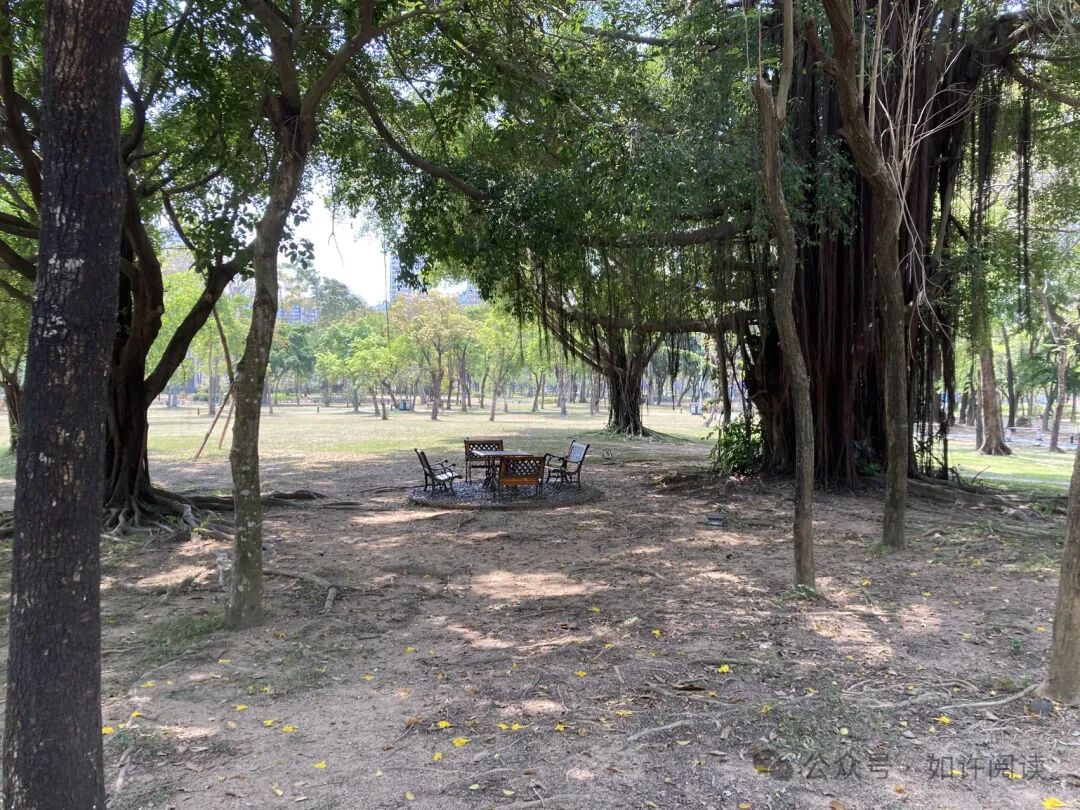
来到深圳生活已经两个多月了。现在,我坐在清华大学深圳研究生院的大榕树底下,鸟叫声让我感觉愉悦又平静,想来记录一下这段时间的感受。
南下的初衷
搬家的初衷是希望孩子们可以有更多的时间跟爸爸相处。去年,先生的工作重心转移,深圳北京两边跑,很疲惫。遇到出差的时候,连续两三周不在家,明显感觉度子跟爸爸有些疏远。再加上我马上要休半年的产假,不如我们全家一起南下生活一段时间试一试?
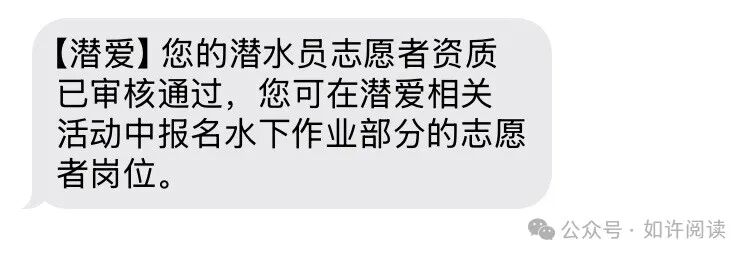
拖家带口地跨省搬家不是一件轻松的事情,我感到很焦虑。我去到深圳没有朋友怎么办?孩子的教育怎么办?老人就医怎么办?同时,换一座城市生活也让我兴奋,期待着近距离的感受粤港澳大湾区和岭南文化。人生不就是重在体验嘛。对了,听说大鹏新区还有潜水志愿者,好想去下海呀!
过去的两个多月,我大部分时间是在家里带娃,还没来得及开展真正的“社会人”生活。到目前为止,搬家之后的体验比我的预期要好。孩子们不仅每天可以跟爸爸相处,而且户外时间变得多了许多。度子出乎意料的上了dream school,经过两三周的时间,在幼儿园里适应地很不错,他宣称“等长到七岁了,还要去上小三班”。
我们住在大学城旁边,临近大沙河和西丽湖,环境优美,人烟稀少。一天里的大部分时间都能听到鸟叫声,这种体验我在北京是从来没有过的。
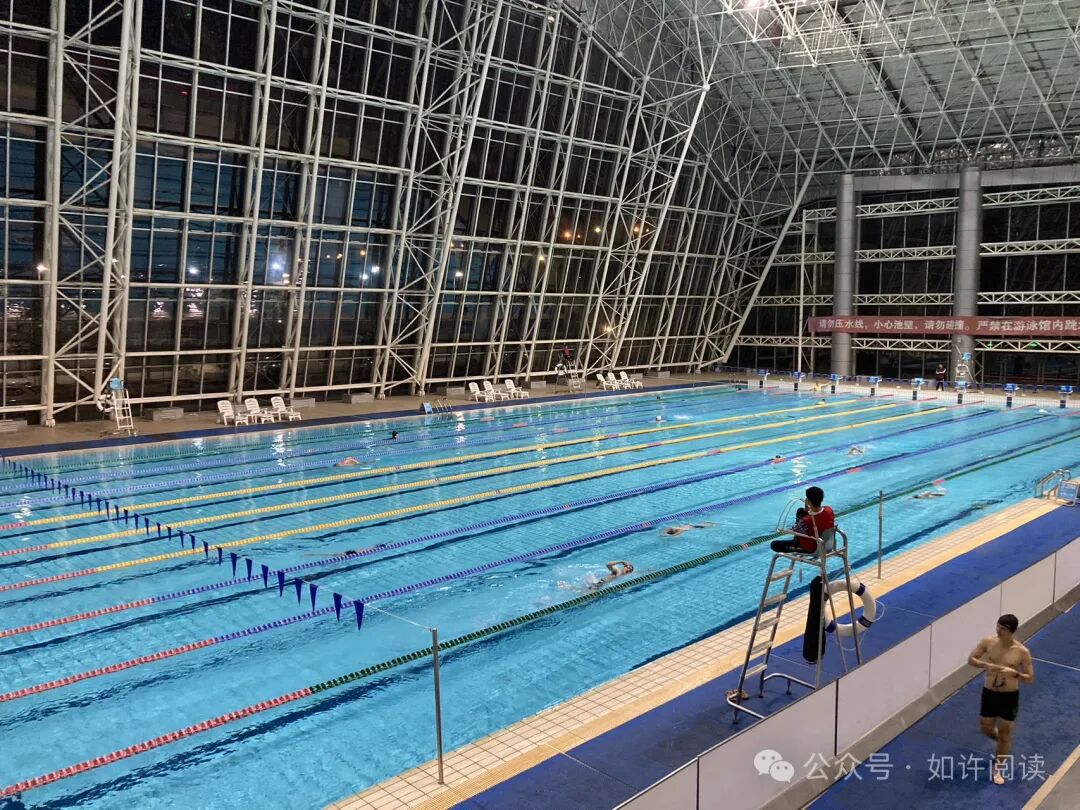
深圳大学城的公共设施是对外开放的,有非常丰富的体育和文化资源。度子放学之后会到大操场上踢足球,我们也常带他去游泳馆里游泳,设施一流,人非常少。我自己隔一段时间会去图书馆里借书,啊啊啊啊啊啊啊啊,爱丽丝门罗的小说真是太好看了!
一个家庭就是一只队伍
我们计划赶到深圳过春节,搬家的过程是很辛苦的,尤其是还需要照顾刚满月的妹妹和应对调皮捣蛋的哥哥。
我的职业病又犯了,自动带入PM的角色,把搬家当个项目在做。月子里我就在盘算,项目的目标是什么(一家老小平平安安赶到深圳过年,不遗失重要物品),有什么决策需要做(选哪家搬家公司,如何托运),有哪些重要时间节点和依赖关系(先生出差前把深圳的事务安顿好,我们赶在春运前托运家当),有什么潜在的风险(老人孩子生病,度子在家捣乱影响进度,有老有小的队伍行动缓慢误机,春运影响物流),资源够不够(需不需要请打包公司,要不要请外援来带娃)等等。
还有如何照顾自己的情绪。产后本来就很容易情绪波动,先生出差期间,我成了家里的主心骨,亚历山大,很容易怨气冲天。出了月子,我立马带娃回济南住了一段时间,养精蓄锐,为搬家储备了足足的情绪能量。
打包那几天,我脑中常常闪过温家宝在北川中学黑板上写的“多难兴邦”。一个家庭就是一只队伍,团队成员不仅仅是我和先生,爷爷奶奶也是我们这支队伍的重要成员。大家需要严丝合缝的配合,才能顺利完成搬家这样的大项目。
每一个人都有自己的特点,如何让每个人在团队里找到合适的位置,发挥最大的价值,又身心愉悦,真是一个有意思的人力资源配置问题。比如说,我们家爷爷的性格比较急,做事雷厉风行,奶奶性格温和,做事井井有条。长久以来,奶奶总在抱怨爷爷做事情不细致,“刷个碗都刷不干净”。这次搬家打包时间紧任务重,爷爷的这种“快糙猛”的行事风格就起了至关重要的作用。我们在四五天里打包了六十多个箱子,大概五十多个箱子都是爷爷打的。再比如说,孩子们也并不是完全拖后腿的负资产。我们为妹妹申请了机上婴儿提篮,因此全家被安排坐到了宽敞舒适的头排位置。
关心粮食和蔬菜
休产假让我感到恐惧,我害怕进入脱离社会的孤岛,被日常生活的琐碎吞噬。我渴望不被打扰的读一段文字、洗个热水澡、在阳光下的树荫里发呆、笨手笨脚的跳一支舞、和朋友讲一通电话…这些片刻的“自己的时间”,像一根根救命稻草,我要紧紧抓住。
虽然出生在一个大家庭里,但是13岁起就离家求学,父母很少让我介入到家庭事务中,再加上个性比较自我,我在三十几岁之前,几乎没有感受到生活的琐碎。直到有了孩子,休了两段产假,在跟月嫂、婆婆、姐姐、妹妹们相处的过程中,才渐渐积累了一些生活体验。
最直观的感受:家务事是做不完的。蔬菜今天吃完了,明天还是要买;脏衣服今天洗干净了,明天还是会有;孩子玩具洒了一地,收拾好,马上还是会乱…反反复复,无穷无尽,就像西西福斯的石头。我只觉得这些事情非常消耗人,盼望着早日回归职场,虽然工作上有压力有狗血,当相比家庭生活,还是让我甘之如饴。
在一次饭局上,我偶然听到几位爸爸在交流,他们对儿子的共同期望就是“找一位潮汕媳妇”。潮汕女子似乎是公认的勤俭持家的代表。就像杨云苏在《团圆记》里描述的,潮汕美食之所以让人流连忘返,是因为潮汕女性巨大的付出。陈皮要反复洗净晾晒,柿饼也要晾晒,药草也是如此。“什么都要晾,要洗,要切,要抬出去抬进来,要九蒸九晒。九蒸九晒,一个女的一辈子有多少时间经得起九蒸九晒?”
我相信在这世界上有人是真心喜爱做家务事,享受做全职妈妈(爸爸)的生活。如果这是当事人的主动选择,我对她们(他们)表示一万分的尊敬。但是我看到的更多的是被剥夺了选择的权利,或是囿于习俗,为了家人,在这烟火厨房中画地为牢,奉献一生,甚为可惜。她们中不乏善良大气勤劳聪慧的女性,就像我的婆婆,在社会上应该会成就更大的事业。
“关心粮食和蔬菜,面朝大海,春暖花开”是我现在还达不到的境界。
生活中的修行
生活就是一场修行,外面没有别人,只有你自己。
带妹妹的时候,我开玩笑说自己在修 babysitting meditation:喂奶的时候不刷手机,专注体会妹妹小嘴巴的每次吮吸;擦屁股的时候,感受粑粑的酸臭,全心关注在每一张纸巾擦过小屁屁之后的变化;哄睡的时候不分心,看妹妹在一下下拍打安抚中逐渐睡眼朦胧。
带哥哥是更有挑战的修行,因为面临的都是全新的问题。我会因为他入园哭闹而焦虑,也苦恼于他的作息不规律,起床墨迹,天天迟到。我试着对他严厉说教、威胁恐吓,也努力给他调整作息,可惜这些都没有用。渐渐地我就放弃了。或许他不是墨迹,只是在用他的节奏跟这个世界相处,我没有办法让他按我期待的节奏来,那就旁边陪着他就好了。
看到大学城里的学生们我会很羡慕,他们可以一身轻松的做自己想做的事情,有大把的时间可以挥霍。转念一想,自己年轻的时候似乎也没有那么恣意的快乐,当时也是一脸的愁苦。果然每个阶段都有每个阶段的烦恼。我现在的生活虽然忙乱,但家庭合睦,老人们的身体都还可以,儿女双全健康可爱。活在当下,夫复何求。
关于未来
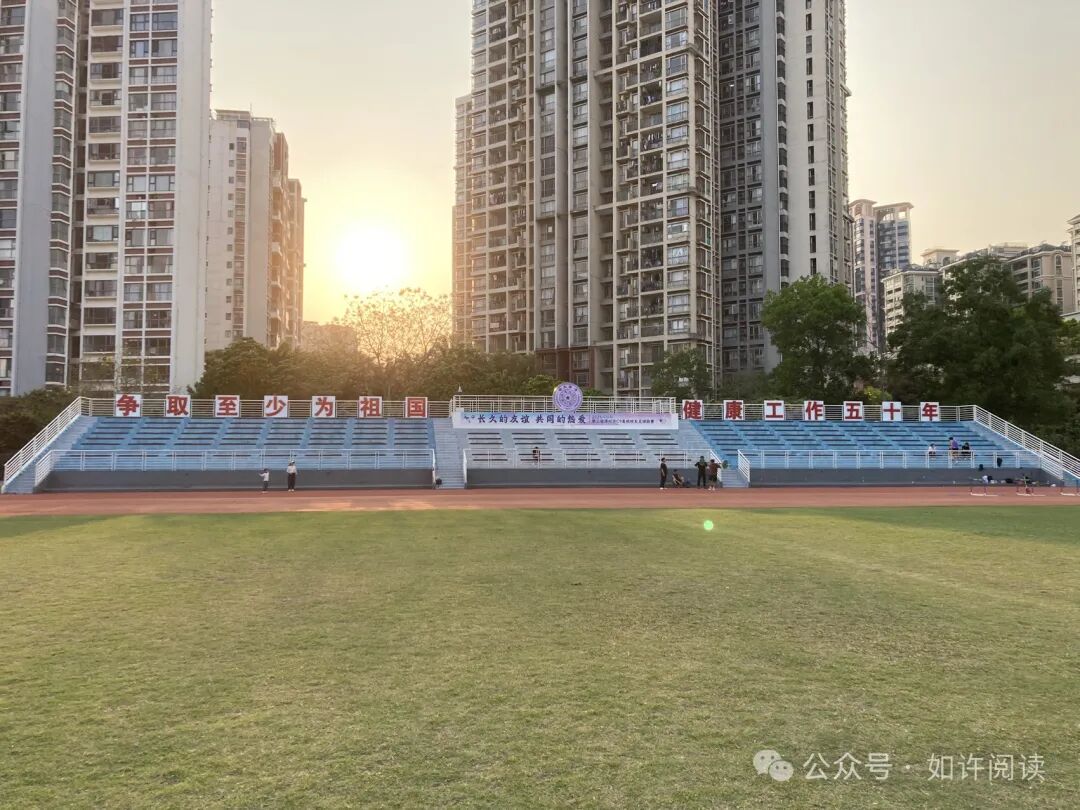
在阳光下,大步走在路上,我常常觉得身体里充满能量,对这个世界充满了好奇,还有很多东西想去学,有很多事情想去做。我想去学跳舞,想画油画,想学西班牙语,想重拾大提琴,想去读哲学,还想去研究海洋…路过大操场,看到看台上的标语写着,“争取至少为祖国健康工作五十年”。我就在想,如果我能够一直健康工作到七十五岁,然后再多活上二十几年,专心去研究自己的爱好,那该有多好呀。
AI-generated translation.
I have been living in Shenzhen for more than two months now. Right now I’m sitting under the big banyan tree at Tsinghua University’s Shenzhen Graduate Campus. The birdsong makes me feel both happy and calm, and I want to set down what I’ve been feeling.
Why we headed south
The reason for moving was so that the children could have more time with their dad. Last year my husband’s work shifted heavily to Shenzhen, and he was constantly bouncing between Shenzhen and Beijing, exhausted. When he was on a business trip, he might be away two or three weeks in a row, and you could see our elder son growing a little distant from him. On top of that, I was about to take six months of maternity leave — why not, then, move the whole family south for a stretch and try it?
Picking up and crossing a province with kids and grandparents in tow isn’t easy, and I was anxious. I’ll have no friends in Shenzhen — what then? What about the kids’ education? Where will the grandparents get medical care? At the same time, the prospect of living in a different city excited me: I’d be near the Greater Bay Area and Cantonese culture, and what is life if not about experience? Oh, and I’d heard there are diving volunteers in Dapeng New District — how I’d love to get in the water!
For the past two months I’ve mostly stayed at home with the children; I haven’t yet really started my “out-in-society” life. So far, life after the move has gone better than I expected. The kids see their dad every day, and outdoor time has expanded considerably. Our elder son got into his “dream school” — quite unexpectedly — and after two or three weeks has adapted to kindergarten well. He declares that “when I turn seven, I want to go to the level-three class too.”
We live near University City, by the Dasha River and Xili Lake — beautiful, sparsely populated. For most of the day you can hear birdsong, something I never experienced in Beijing.
The public facilities at Shenzhen University City are open to outsiders, and the sports and cultural resources are unusually rich. After school, our son plays football on the big field; we often take him to the swimming pool too — top-tier facilities, hardly any people. I myself periodically go to the library to borrow books. AAAAH, Alice Munro’s stories are too good!
A family is a small team
We planned to make it to Shenzhen by Chinese New Year. Moving was tiring, especially while taking care of a newborn baby sister and dealing with our mischievous elder son.
My occupational reflex kicked in. I automatically slipped into PM mode and ran the move as a project. Even during my postpartum confinement I was planning out the project goals (get the family safely to Shenzhen for the New Year, lose no important items), what decisions needed making (which moving company, what to ship), what the critical milestones and dependencies were (settle Shenzhen affairs before my husband’s next business trip, ship the goods before the Spring Festival travel rush), what the risks were (grandparents or kids falling ill, the elder son disrupting things, a team with elderly and young members moving slowly and missing flights, Spring Festival logistics delays), whether resources were sufficient (do we need a packing service, do we need a babysitter brought in to help) and so on.
There was also the question of caring for my own emotions. Postpartum hormones already make moods volatile; with my husband on a business trip, I became the family’s main pillar, and the stress made it easy to flare into resentment. Once postpartum confinement ended I immediately took the baby back to Jinan for a stretch to recharge, banking up emotional energy for the move.
In the days of packing, the line Wen Jiabao wrote on a blackboard at Beichuan Middle School often flashed through my head: “Adversity strengthens the nation.” A family is itself a small team. Its members are not just my husband and me — Grandpa and Grandma are also key members. Everyone needs to coordinate tightly for so big a project to succeed.
Each person has their own characteristics. Finding each person their best fit on the team — where they create the most value and also feel good doing it — is a genuinely interesting human-resource problem. For example: Grandpa is impatient by nature and does things at a sprint; Grandma is gentle and does things in orderly fashion. For years Grandma has been complaining that Grandpa is sloppy — “he can’t even wash a bowl clean.” But for this move, with time tight and tasks heavy, his “fast, rough, vigorous” style turned out to be decisive. In four or five days we packed more than sixty boxes; Grandpa packed roughly fifty of them. And the kids weren’t pure dead weight either. We applied for an infant bassinet for our baby sister on the flight, which got the whole family seated in the spacious front row.
About grain and vegetables
Maternity leave scared me. I dreaded being cut off from society and swallowed by the trivia of domestic life. I longed for stretches of being-uninterrupted: to read a passage, take a hot shower, sit in tree-shadow under the sun, dance a clumsy dance, talk on the phone with a friend… These slivers of “time of my own” were like life-saving straws — I had to grasp them tight.
Although I was born into a large family, I was sent off to boarding school at age thirteen. My parents rarely involved me in household affairs, and I have a fairly self-centred personality, so before my thirties I had hardly experienced household drudgery. It was only after having children and going through two stretches of postpartum leave — being in close quarters with confinement nannies, my mother-in-law, my sisters — that I began to accumulate some real experience of domestic life.
The most immediate impression: household chores are never done. The vegetables are eaten today, but you’ll still need to buy more tomorrow. Dirty clothes washed today, more tomorrow. The kid’s toys spilled all over the floor — you tidy them up, and they’re scattered again straight away. On and on, infinite, like Sisyphus’s stone. I could feel how much these things drained me, and longed to return to the workplace. There’s pressure and drama at work, but compared with domestic life it actually feels sweet to me.
At a dinner one time I overheard several fathers chatting; their shared wish for their sons was: “find a Chaoshan daughter-in-law.” Chaoshan women are widely considered the embodiment of frugal household management. As Yang Yunsu writes in Reunion, Chaoshan cuisine keeps people coming back precisely because of the enormous toil of Chaoshan women. Tangerine peel has to be washed and sun-dried over and over; dried persimmons the same; medicinal herbs likewise. “Everything needs sunning, washing, slicing, carrying out and back, nine steamings and nine dryings. Nine steamings and nine dryings — how much of a woman’s whole life can be spent on nine steamings and nine dryings?”
I believe there really are people in the world who genuinely love housework, who enjoy life as a full-time mum (or dad). If that is their active choice, I have a thousandfold respect for them. But what I see far more often is the people whose right to choose has been taken away, who, bound by convention and for the sake of family, draw a chalk circle on the kitchen floor and live their whole lives inside it — a waste. Many of them are kind, generous, hard-working and intelligent women, like my own mother-in-law, who would surely have built bigger careers out in the world.
“Concern myself with grain and vegetables, face the sea with spring blossoming” — I haven’t reached that state yet.
Living as practice
Life itself is a practice. There is no one out there; there is only you.
While caring for our baby sister I joked that I was doing babysitting meditation. While breastfeeding, no scrolling on the phone, just attending fully to every suck of her little mouth. While wiping her bottom, I’d feel the sour smell of the poo, and focus on the change in her little bottom after each pass of the tissue. While settling her to sleep, I’d watch her drift into sleepy-eyed haziness under each gentle pat.
Taking care of our elder son is a harder practice, because the problems are all new. I’d get anxious about his crying when dropped at kindergarten, and frustrated by his irregular routine, his dawdling, his being late every day. I tried being strict and lecturing him, threatening him; tried adjusting his routine. Nothing worked. Gradually I gave up. Maybe he isn’t dawdling; maybe he’s just relating to the world at his own pace. I can’t make him follow the pace I expect, so I might as well just be there alongside him.
When I look at the students wandering through University City, I envy them: they can do what they like, unburdened, with a great deal of time to spend freely. Then I remember my own youth wasn’t actually that carefree either; I went around with my face in a knot too. Every stage of life has its own troubles. My life now is busy and chaotic, but the family is harmonious, the elders are still in good health, and we have a healthy boy and girl. To live in the present — what more could one ask?
About the future
Walking briskly in the sun, I often feel energy in my body and curiosity about the world; there’s so much I still want to learn, so many things I want to do. I want to learn to dance, paint in oils, learn Spanish, pick the cello back up, study philosophy, study the ocean… Walking past the big sports field, I saw a banner in the stands: “Aim to work in good health for the motherland for at least fifty years.” And I thought: if I can keep working in good health till seventy-five, and then live another twenty-something years devoted to my own interests — wouldn’t that be wonderful.